Strangest Thing generator
In my book The Strangest Thing in the Sea, I describe some of the weirdest creatures I could find in the ocean.
Like this pink goblin shark that glides through the deep dark oceans with its seriously bizarre electric snout and snaggle-tooth-filled jaws that pop right out of its head! So strange!
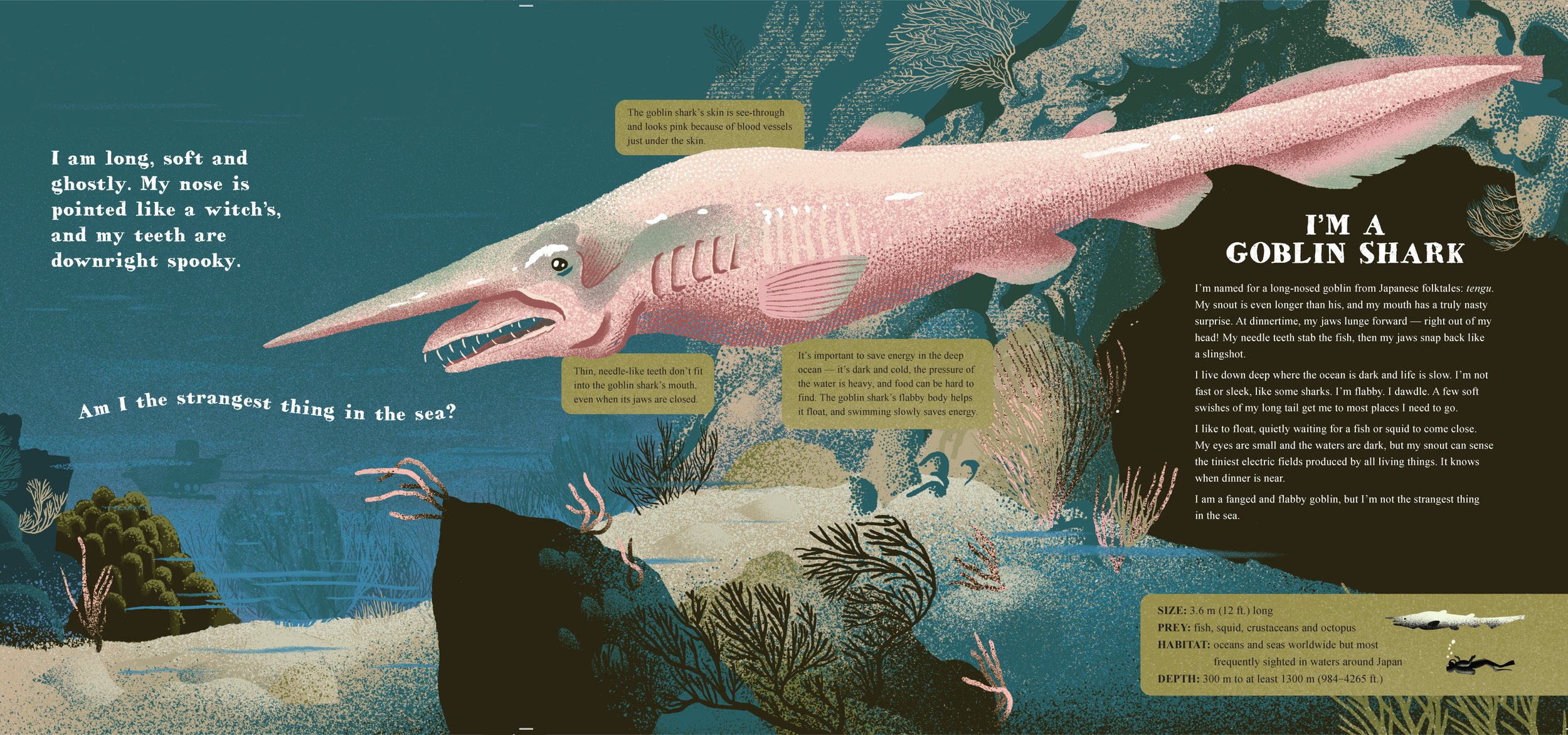
There is nothing so weird as the creatures of the ocean. Below you will find instructions to make your own strangest creature in the sea.
Step One: Chose where your creature lives
Where a creature lives can often tell you a lot about what a creature might look like.
Open Ocean (sunlit zone) Reefs Deep Ocean
Bright, deep water Dark, cold water
Nowhere to hide Lots places to hide Hard to find dinner in the dark
Body shape: long sleek bodies Lots of predators and prey Nowhere to hide
are good for going fast Colour: spots, stripes and brights Colour: who cares? It’s
Colour: silver is best camouflage are the best camouflage too dark to see.
Shallows & Coral Reefs
Warm, bright water
Mangrove Swamp Hydrothermal Vent Make up your own!
Warm, murky water Life on a boiling volcano
Lots of predators and prey Darkest waters
Close to rivers and land Not much to eat
Together, We Spark Wow
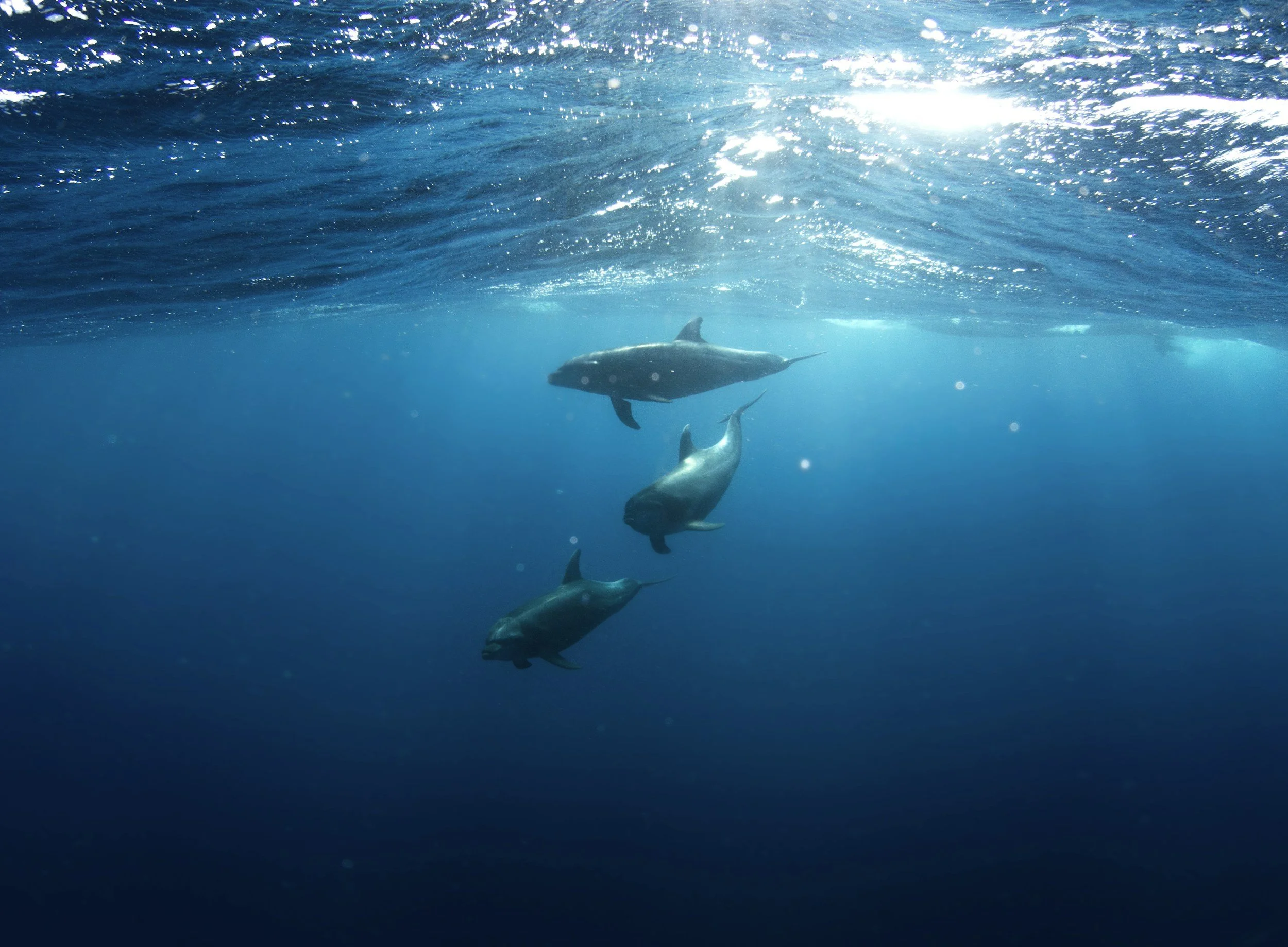
Open Ocean
We shape colors, fonts, and playful layouts into irresistible experiences.
Bright, deep water
Nowhere to hide
Body shape: long sleek bodies are good for going fast Colour: who cares? It’s
Colour: silver is best camouflage are the best camouflage too dark to see.
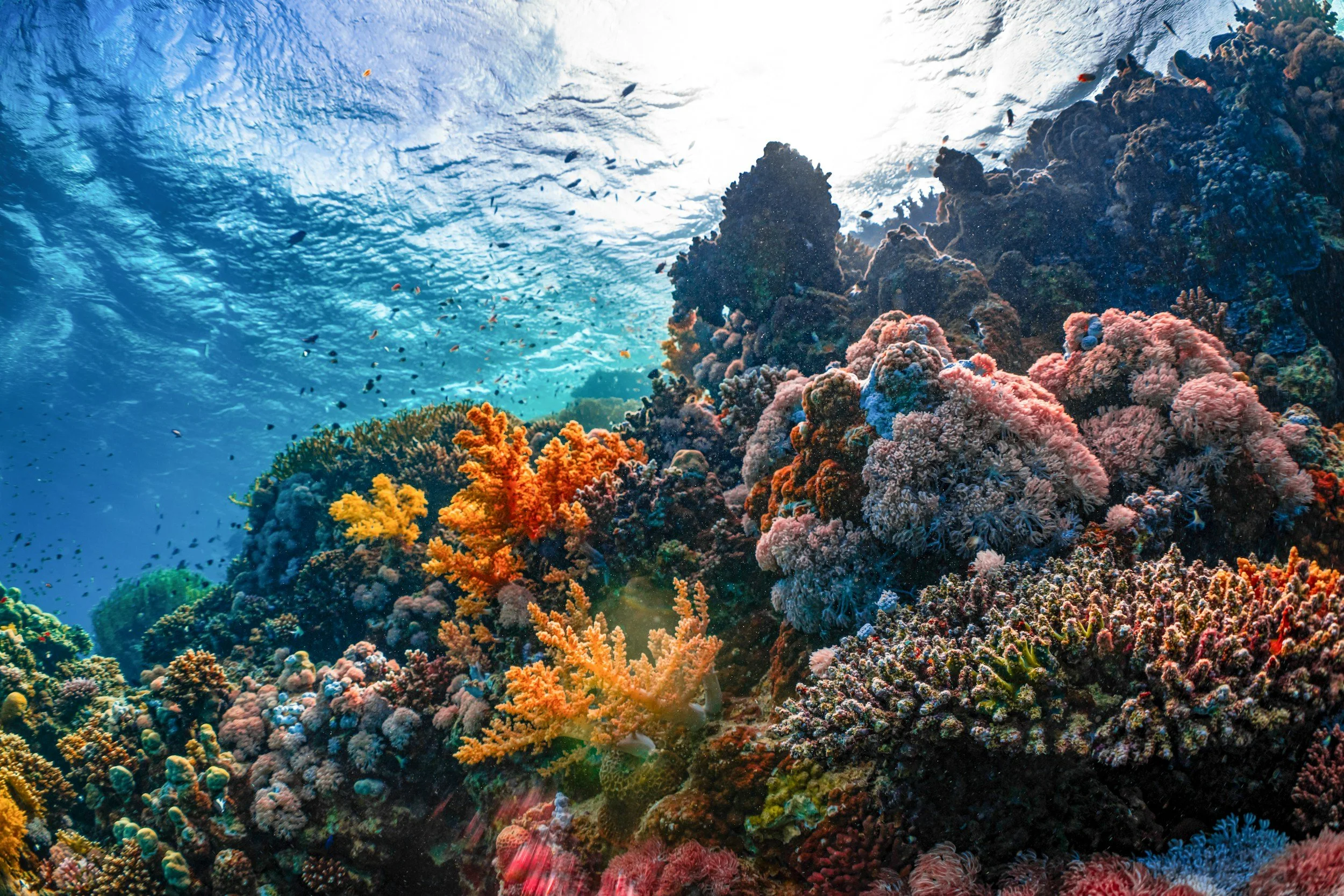
Coral Reef
Warm, bright water
Lots places to hide
Lots of predators and prey
Colour: spots, stripes and brights
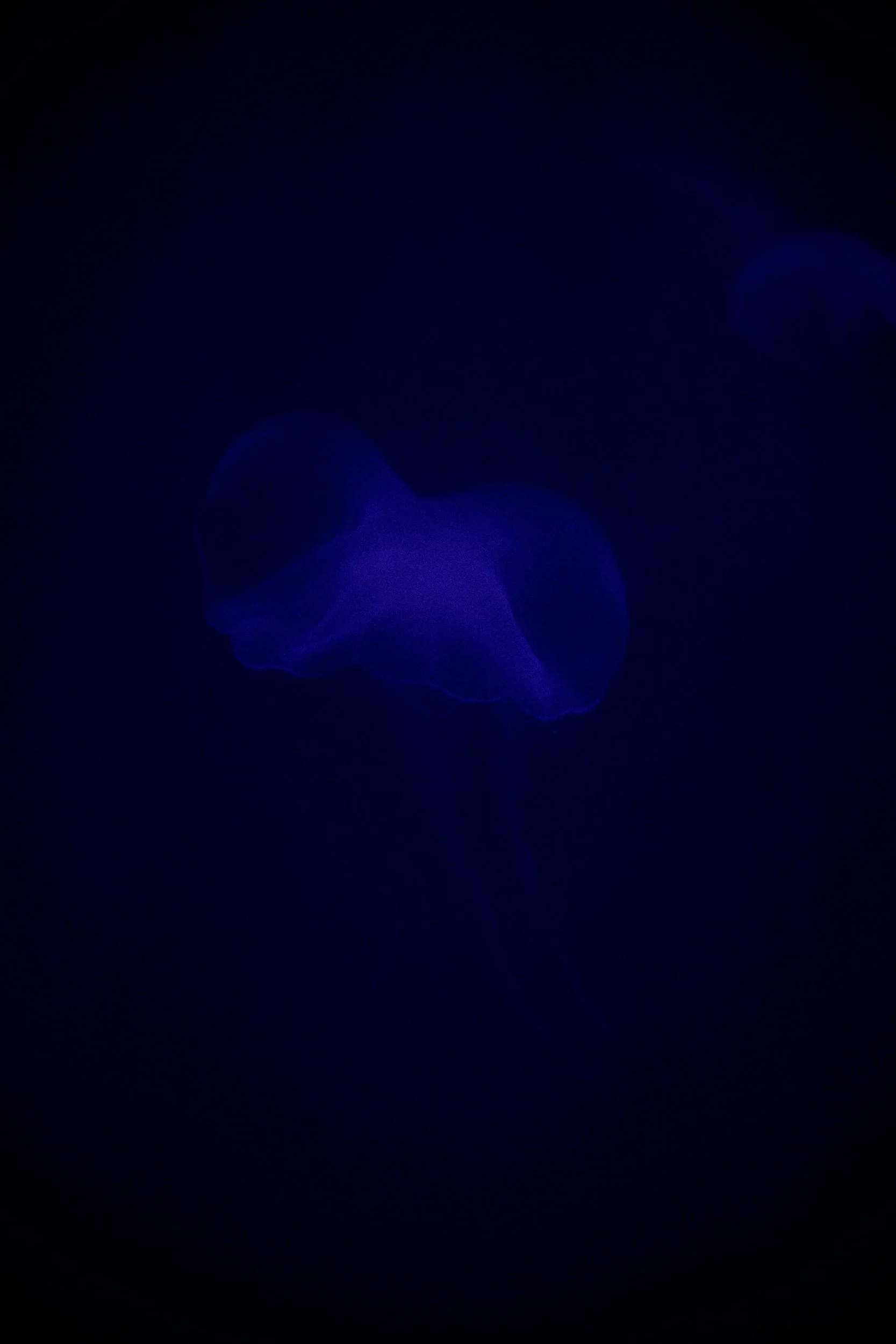
Dark, cold water
Hard to find dinner in the dark Colour: Who care? It's too dark to see
Deep Ocean
Step Two: Choose your Animal
Pick your favourite animal or an animal you’d like to learn more about. I’ll pick a North American porcupine. Now, let’s figure out how porcupines solve each one of those basic survival problems above: movement, getting food, eating, protection, and habitat adaptation.
You’ll probably need to do some research. Do you have an animal encyclopedia? Or get your parents to help you look on the internet. National Geographic Animals is a great place to start. I bet you learn something new about your creature! I just learned a whole bunch of cool porcupine facts. Here’s what I learned:

1. MOVEMENT
Porcupines climb and live in trees. Probably a lot of different body parts help them climb, but I’m going to just choose claws.

2 & 3. GET FOOD and EAT
Did you know porcupines gnaw on bark? I just found this out—I thought they ate bugs! They also eat leaves, fruits, and nuts. Since they don’t chase their food or pick it, I’m using gnawing teeth as my answer for the second and third problem.

4. PROTECTION
Quills! Porcupines have as many as 30,000! They also have a quill-covered tail to lash at attackers. Did you know porcupines can’t actually shoot their quills? (I didn’t.) You have to touch them to get poked. Also, the quills of North American porcupines have barbs that make them harder (and much more painful!) to pull out. So I’m going to have two body parts for Protection: quills and barbs.

5. HABITAT
North American porcupines live in cold climates and have two kinds of fur to keep them warm. I’m going to say fur coat.
Step Three: Let’s get Creative!
Now for the fun part! For each of those body parts listed above, let’s come up with a object from the human world.
There are two ways you can think about this. You can either think about what the body part looks like or how it is used. So for quills, my clue might be knitting needles—because that what quills look like. Or I could get a little weird and say barbed wire—because that’s how they are used: as protection to keep the enemy away.
So this is what I came up with. I have a grappling hook to help the porcupine climb, a bark scraper to eat the underbark off trees, barbed wire as protection, fish hooks as the barbs on the quills, and a thick winter coat.

claws = grappling hook

gnawing teeth = barkscraper

quills = barbed wire

barbs = fish hooks

fur = winter coat
And how about I throw in two more porcupine fact I learned: porcupines make a strong musky smell when they feel threatened, and they are near-sighted. How about we add two more clues: a bottle of bad perfume and glasses. So there you have it my friends, our very own Beastly Puzzle! Now just write it as a question:
What animal can you make with a grappling hook, a bark scraper, barbed wire, fish hooks, a winter coat, glasses, and a bottle of bad perfume?
Sometimes all the clues look like they belong in the same room or place. For example, you might find all of these porcupine clues in a log cabin. Or the clues won’t seem to belong together at all. But don’t worry about that. Why not make up a crazy room and draw them all together anyway! And don’t forget to add a cryptic hint!
And remember, there are no right or wrong clues—I could just have easily have used knitting needles instead of barbed wire or a vegetable peeler instead of the bark scrapper. This is your Beastly Puzzle, and you’re the boss!
If you do make a Beastly Puzzle, please send it to me at racheljudy@shaw.ca I’d love to see it!